

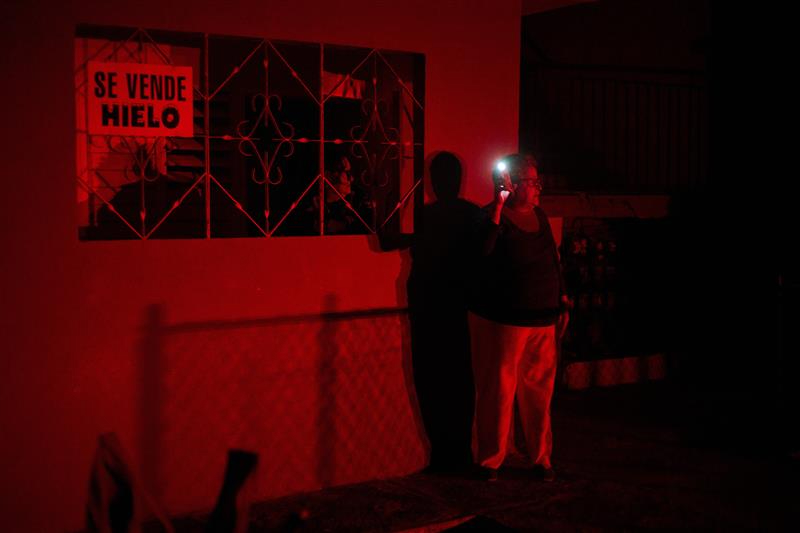
In Havana, when electricity comes on for a few hours at a time, Kendra Ador-Agramonte’s parents move quickly. Batteries are charged to power essential appliances before the lights go out again. Water is collected when it arrives between 2am and 3am once every few days. At 74, they have learned to organise daily life around uncertainty rather than routine.
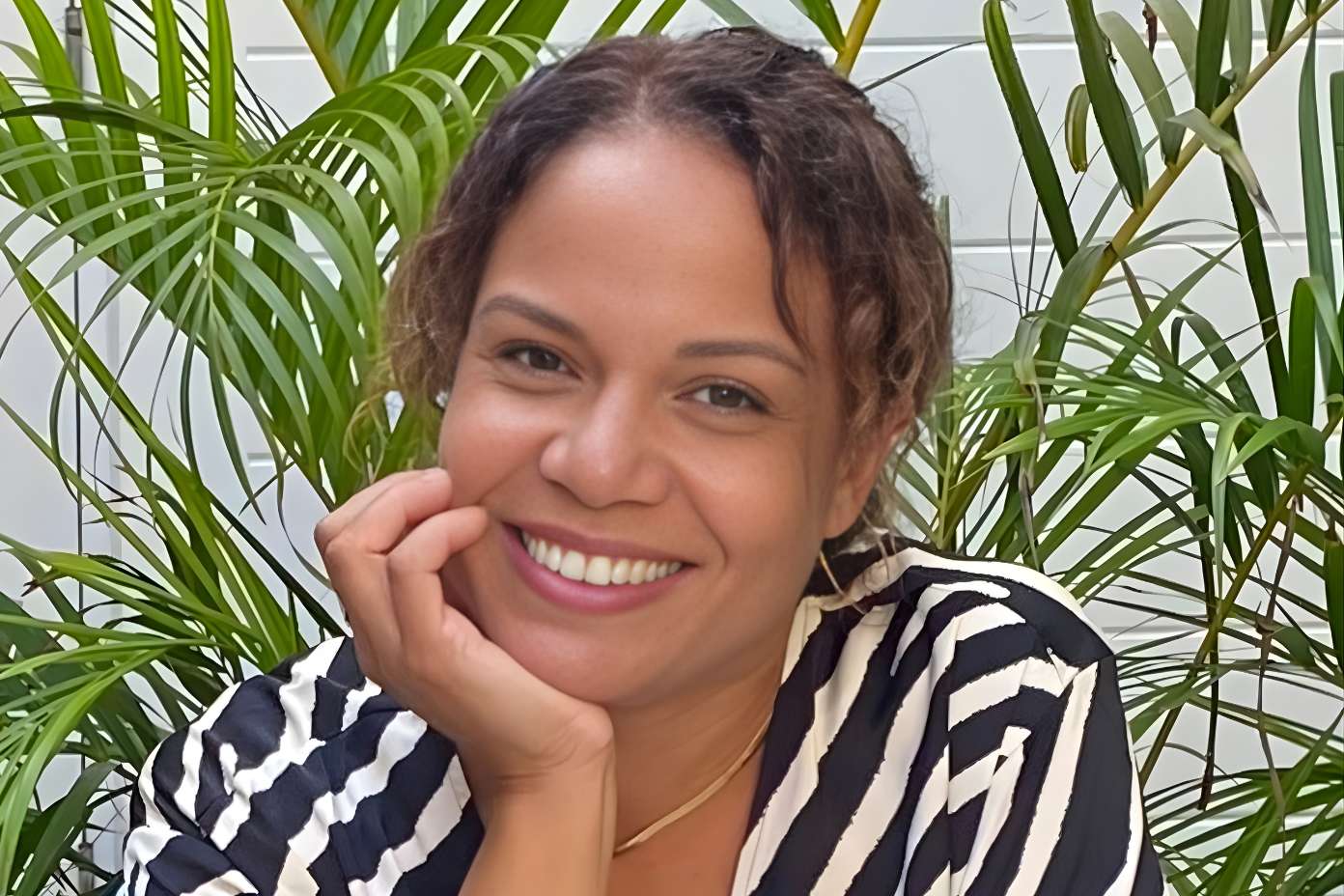
Ador-Agramonte, an artist and architect who grew up in central Cuba and has lived intermittently in Cayman since 2006, left her country decades ago, first for Britain and later for Grand Cayman, drawn by its proximity to home.
She remained closely connected, returning often, particularly after the Obama-era opening, when private enterprise briefly flourished. In 2013, she moved back for four years and established Casa Concordia, later included in Airbnb’s first Cuban launch.
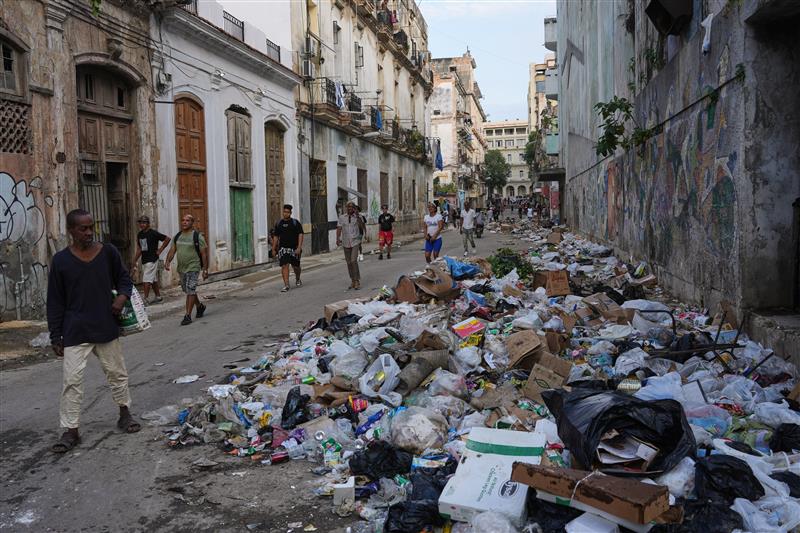
Today, her regular conversations with family are weighted with worry. Medicines are scarce, deadly viruses abound and food prices rival those in Cayman. More than ever, daily life has become an exercise in endurance.
Behind her concerns lie a broader economic reality.
Long isolated from global markets, communist Cuba has relied heavily on Venezuelan oil for roughly the past 25 years. The arrangement, built on subsidised fuel in exchange for Cuban security, intelligence and medical support, collapsed on 3 Jan., when US forces captured Venezuelan President Nicolás Maduro in Caracas.
In the aftermath, US President Donald Trump issued a warning, saying, “Cuba looks like it’s ready to fall,” and cautioning that the island could not survive without the support of its long-time ally, underscoring its deep economic dependence on Caracas.
For an economy already hollowed out, the loss of its most critical alliance exposed just how close to the edge the country had been.
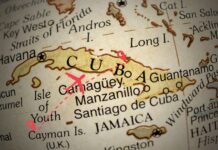
Less than 200 miles away in Cayman, Cubans and those with close family ties to the island have been watching events unfold with the same unease described by Ador-Agramonte. Cubans remain one of the more visible nationalities on the island, with at least 272 currently employed under work permits.
Max Jones, a British Caymanian who has been married to a Cuban for more than 30 years and who asked that his wife remain anonymous, said he has travelled regularly between Cayman and Cuba for decades, and that conditions now appear worse than he has ever seen.
“It has been difficult to watch family and friends in Cuba struggle with the effects of the country’s worst economic crisis in decades,” he said. “From the Cuban population’s standpoint, this crisis has resulted in severe shortages of food, medicine, electricity, and just about everything else.”
‘Juan García’, who spoke with the Compass under a pseudonym, was granted asylum on island after fleeing Cuba by sea, spending days adrift following years of evading arrest. He had been involved in the country’s internal opposition, documenting information on conditions the state sought to conceal.
Other Cubans in Cayman spoke to the Compass, too, but with conditions. One will talk only if they can read the article before publication. Another insists their family’s names not be mentioned. One is simply too frightened to speak on record at all. They have arrived by different routes and hold different political views, but they each pause before they speak. When they come together, politics can divide them, sometimes so deeply that relationships can break down entirely.
“The Cuban dictatorship is not the Venezuelan dictatorship,” García explained. “They are their offspring, but there is no dictatorship in the world like the Cuban one. … Right now, any refugee, any opposition member, any political refugee in the country is in danger if they are a military target.”
Ador-Agramonte, Jones and García’s paths could not be more different, yet they converge on one reality. Life in Cuba, whether endured from within its borders or carried into Cayman or elsewhere in the diaspora, is often shaped by uncertainty, fear and forces beyond the island’s shores.
Cuba has lived for decades with the expectation of collapse, weathering repeated predictions of imminent failure from the early Cold War, through the fall of the Soviet Union, and again during successive periods of internal unrest. This time, however, feels different.
Jones points to a simple example of a family member who works for a state construction company and earns about 5,000 Cuban pesos a month, roughly US$10-$12.
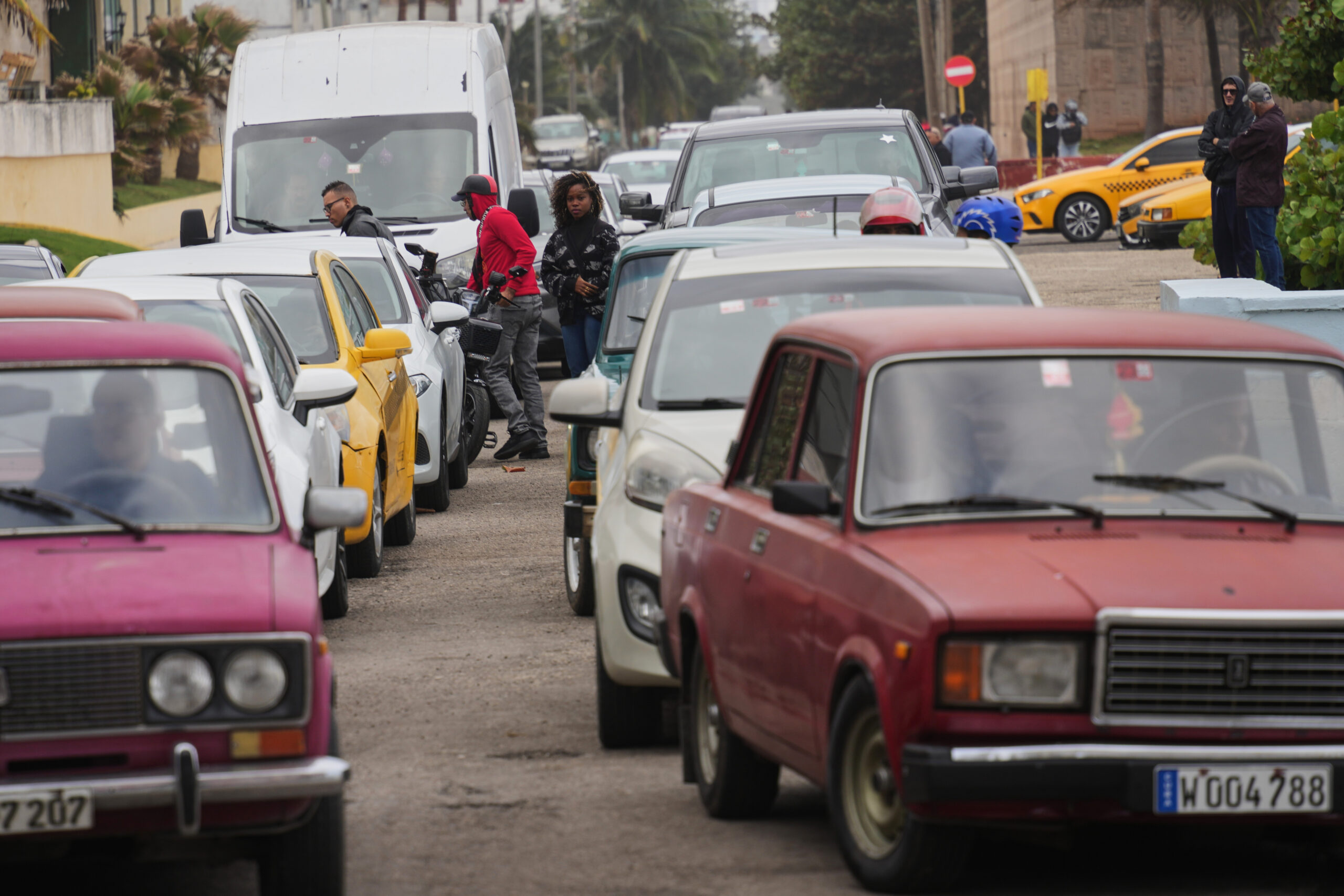
“A tray of 30 eggs costs around 3,000 pesos,” he said. “That’s nearly 60% of his salary just to put one egg a day on the table,” he said. “With daily rolling power cuts, unreliable water supply, patchy internet access, uncollected garbage, deteriorating roads and failing public services, everyday life has become unsustainable and that’s why so many Cubans are choosing to leave.”
Official data show that 1.4 million Cubans have emigrated over the past five years, leaving behind an older, more economically vulnerable population increasingly dependent on support from friends and family abroad.
That demographic shift is unfolding as Washington has dramatically ramped up pressure on Havana. In recent weeks, the United States has framed Cuba’s plight as part of a broader campaign to squeeze the communist government amid intensifying regional tensions.
Days after the strikes in Caracas, Trump said Venezuela would no longer provide oil or financial support to Cuba, and urged Havana to “make a deal”, describing the island as economically close to collapse.
On 29 Jan., the White House issued an executive order declaring Cuba an “unusual and extraordinary threat” to US national security and foreign policy, and authorising tariffs on goods from countries that sell or provide oil to the island. The order cited alleged Cuban support for hostile actors, accusations of human-rights abuses, and claims that Havana destabilises the region through “migration and violence”.
The measures target not only Cuba but also third countries that have supplied critical fuel, signalling a new phase of economic pressure. By threatening punitive tariffs, the United States has effectively deterred key suppliers. Mexico has paused oil deliveries and Venezuela’s shipments have halted, leaving Havana with only limited reserves.
Experts warn that Cuba now faces acute fuel shortages, widespread blackouts and sharply rising costs for food and transport.
Jorge Piñón, who leads the Latin America and Caribbean Energy Program at the University of Texas, said the situation is unprecedented. He noted that electricity outages are growing longer and more frequent, lasting 15, 20 and, in some areas, more than 40 hours at a time.
“If the oil valve is really shut off, then Cuba faces an imminent economic collapse, no question about it. No oil, no economy,” Piñón said in an interview with CNN.
In early February, Cuban officials acknowledged limited communications with Washington, signalling a willingness to engage in dialogue while stressing that Cuba’s political system and sovereignty are not subject to negotiation.
“Cuba is willing to reactivate and expand bilateral cooperation with the United States to address shared transnational threats, without ever renouncing the defense of its sovereignty and independence,” said the Cuban Ministry of Foreign Affairs in a statement.
Back in Cayman, García said dialogue itself was not the issue.
“We have no problem negotiating with any country in the world, nor from being friends with America,” he said. “But we have never wanted intervention or annexation. An annexation to the US is to forget all the patriots who have died. It’s like selling your mother to the highest bidder.”
Potential for military escalation
Talk of military escalation has sharpened anxieties in Cuba and beyond, including here in Cayman. “Cuba is more our focus than anywhere else at the moment,” said Cayman’s opposition leader Joey Hew, responding to comments by Trump in the immediate aftermath of US strikes in Venezuela that raised the prospect of a similar intervention in Cuba.
Some analysts suggest that Cuba’s proximity to the United States, coupled with its limited resources, may itself act as a deterrent to direct military intervention. They also stress that Cuba cannot be viewed through the same lens as Venezuela. The political and security dynamics are markedly different, with Cuba’s loyalist base and its international alliances considered far more entrenched.
Christopher Sabatini, a senior research fellow at international affairs think tank Chatham House, has warned that Cuba’s security apparatus is significantly stronger than Venezuela’s, making any attempt to pursue a Maduro-style strategy much riskier.
“Cuban forces are more disciplined and cohesive. That means another Maduro-style abduction attempt in Cuba, a much stronger and now highly alert regime, will likely be a disaster,” he said.
“The hope in Washington will be that cutting off the Venezuelan oil supply will be enough to bring about financial meltdown and cause popular protests that will topple the regime. … At that point, the US military could play a role, striking any security units that attempt to crack down on unrest.”
Among Cubans in Cayman and elsewhere, war is a lingering fear. Escalating rhetoric, regional instability and the spectre of foreign intervention have revived an old joke, now stripped of humour, that an invasion never comes because Cuba has no fuel. Few are laughing.
“All it takes is for Russia and China to get involved, and then we have a situation that’s very different and very dangerous for everybody in the world,” said Ador-Agramonte.
For her, geopolitics is secondary to consequences. “Yes, we all want change, but no one wants another missile crisis. … We don’t want violence,” she said. “If there is an invasion, what’s going to happen? Bloodshed, people dying, and houses being bombed. Nobody wants that.”
Tourism risk
If an invasion or large-scale military action were to unfold in Cuba, its impact could extend beyond geopolitics and into Cayman’s vital tourism industry. Evidence shows that perceptions of security risks and regional instability can significantly reduce tourism demand, even in destinations not directly involved in conflict.
After US military strikes and the capture of Venezuela’s president on 3 Jan. led to widespread FAA airspace closures across the Caribbean, airlines cancelled hundreds of flights, stranding thousands of passengers and unsettling travel plans for would-be visitors.
More than a month later, airlines are still indicating softer demand for Caribbean routes, suggesting that the impact has lingered well beyond the initial shock. A similar scenario involving Cuba could amplify that effect.
Possibility of ‘irregular migration’
Cuba’s instability would likely be felt in Cayman even more immediately in human terms. As economic conditions in Cuba worsen, history suggests more people will try to leave and some will inevitably reach Cayman’s shores.
Deputy Governor Franz Manderson has noted that spikes in Cuban arrivals have consistently tracked periods of deep economic hardship and political strain. “It can be very difficult to stop a large influx of migrants,” he said. “But we can be prepared.”
That preparation is already under way. Governor Jane Owen has confirmed that security agencies are actively planning for a potential increase in irregular migration, following discussions at the National Security Council. Commissioner of Police Kurt Walton has said the Royal Cayman Islands Police Service, the Coast Guard and Customs and Border Control are working together on contingency measures.
Speaking at the Cayman Islands Chamber of Commerce Economic Forum on 23 Jan., Owen voiced the concern. “We have been focusing in the short term on what on Earth are we are going to do if we end up in a real serious refugee crisis from Cuba,” she said, urging Spanish speakers in the private sector to consider how they might assist if called upon.
Language capacity is one of the immediate pressure points. Manderson said the civil service is surveying staff to identify Spanish speakers who could be temporarily redeployed. “If there’s 1,183 people, like we saw in 1994, you can’t just have two interpreters,” he said.
Cayman is also coordinating beyond its borders. Manderson confirmed that intelligence is being shared with Jamaica, while the Mass Migration Committee, a multi-agency group that includes the Royal Cayman Islands Police Service, Customs and Border Control, the Coast Guard, the Health Services Authoritys, Hazard Management Cayman Islands and the Cayman Islands Regiment, has reconvened. A recent meeting was attended by Owen and Home Affairs Minister Nickolas DaCosta, with discussions focused on current capacity and how quickly it could be scaled up.
The lessons of the past loom large. During the 1994 ‘Balsero crisis’, nearly 1,200 Cuban migrants arrived in Cayman over a matter of weeks, overwhelming facilities and forcing authorities to establish a temporary ‘Tent City’ near what is now the Fairbanks detention centre.
More recently, an influx in 2022 saw hundreds of Cubans seek asylum. Legislative changes introduced in late 2022 and 2023 shortened the asylum and repatriation process, significantly reducing how long migrants remain in detention.
That framework is now being actively applied. On 1 Feb., Customs and Border Control confirmed that 10 adult male migrants arrived by vessel in Little Cayman late the previous night and were being processed in accordance with Cayman law and international obligations.
DaCosta said the response was swift and professional, stressing that border security is taken “extremely seriously” and that there was “no cause for public concern” as authorities continue to monitor regional developments.
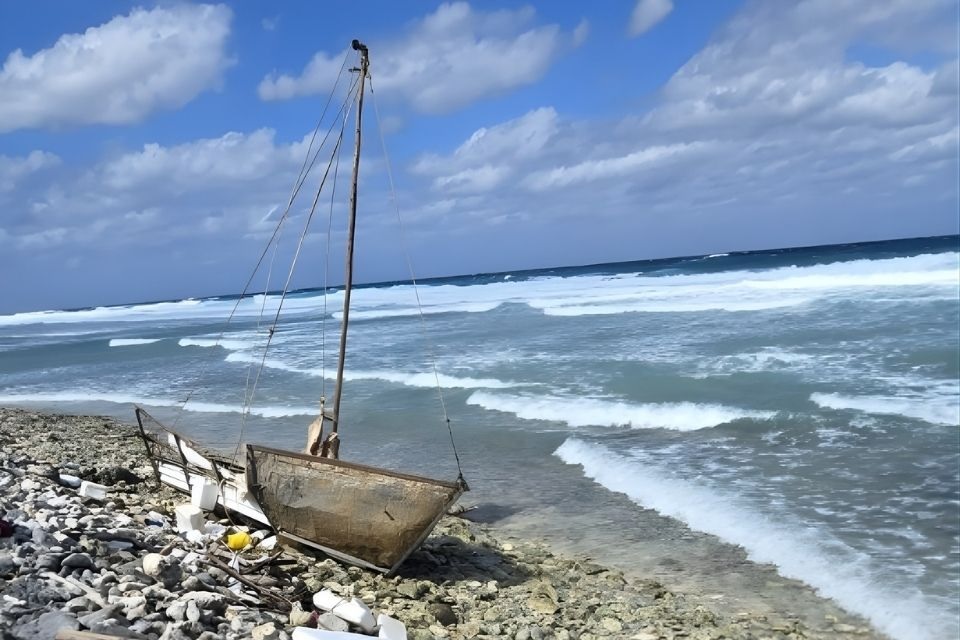
After their transfer to the detention centre on Grand Cayman, Compass journalists briefly spoke with one of the men, who described days lost at sea.
“We got caught in bad weather near the Isle of Pines and drifted for two days,” he said. “We thought we had been washed out toward Venezuela.” The group had not intended to reach Cayman. “When we realised where we were, we couldn’t believe our luck,” he said.
Fear, he added, drove the decision to leave. “We wanted to get out before the United States attacked,” he said, explaining that he is battling cancer and urgently wants legal help and to contact his family. “I want a lawyer,” he said. “I want my family to know that I arrived.”
A country stretched thin
Ador-Agramonte describes a country at its worst point in memory, even as music festivals continue and children play volleyball under blackout conditions. Life, she says, has not stopped. It has simply become more fragile.
García sees fragility through a darker lens. He believes the Cuban state is uniquely willing to sacrifice its own people, using scarcity and fear as tools of control. Economic pressure, he argues, has not produced liberation, only deeper repression.
“Declaring a state of war puts the people against the wall,” he said. “In war, dissent becomes treason”.
Ador-Agramonte rejects both repression by the Cuban government and the US-enforced embargo that, in her view, turns policy into punishment. Last year, she watched her closest friend die in a Cuban hospital without medicine, after being turned away from one facility after another.
“He died in my arms,” she said. “So, when people think about sanctions as something abstract, they are not. They are killing vulnerable people who just don’t have the means to get out.”
Despite everything, Ador-Agramonte remains stubbornly hopeful. She sees resilience in Cuban art, in neighbours feeding neighbours, in children raised collectively by entire streets.
Her recent art exhibition in Havana focused on light, not despair, on the optimism she believes Cubans carry with them wherever they go. When authorities threatened to shut the venue down for excessive electricity use, attendees showed their support by using their phone lights and flashlights.
“It was an act of defiance,” she said. “And of love.”
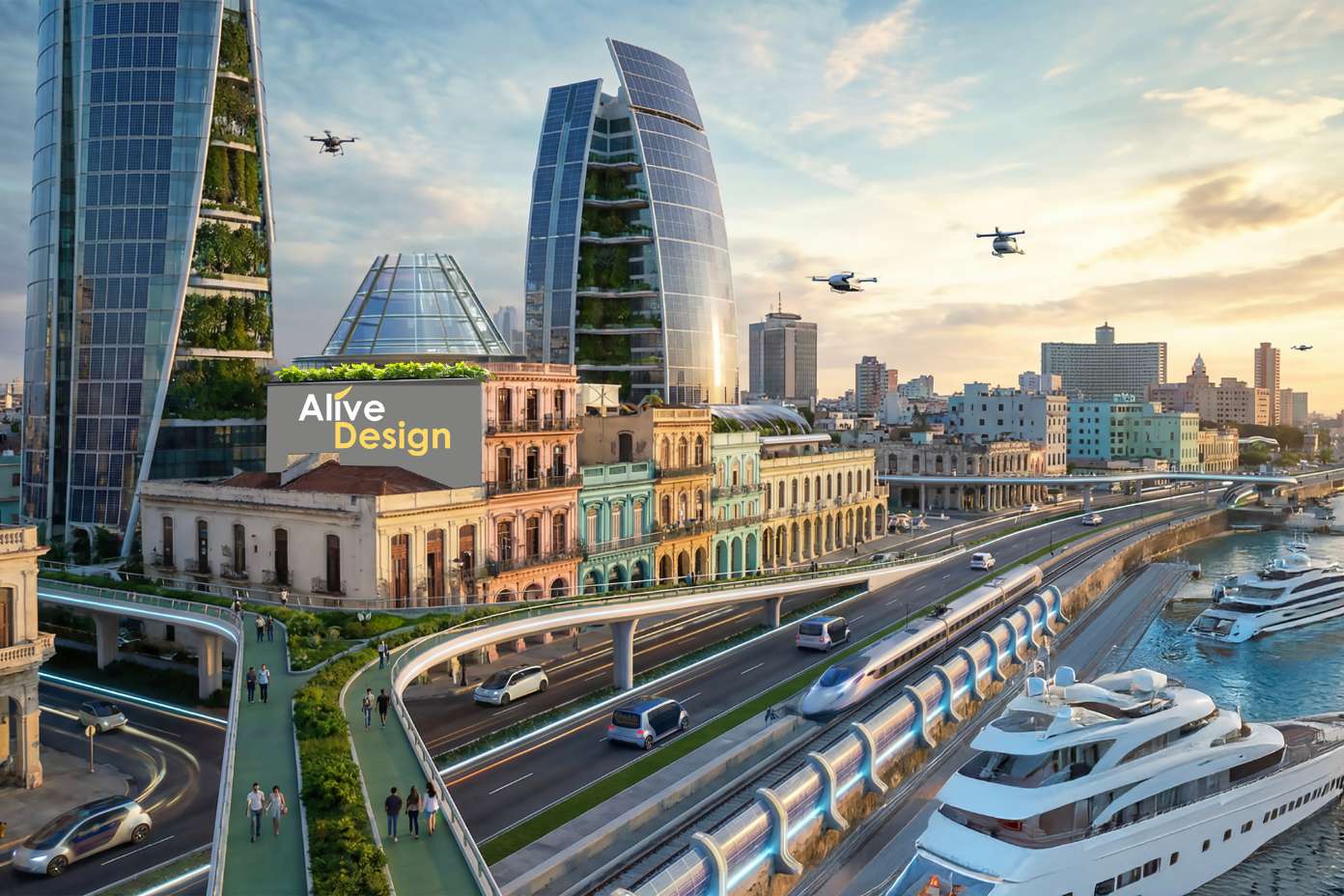
Ador-Agramonte believes Cuba’s future cannot be imposed from outside, nor indefinitely deferred. Change, she says, must come from younger Cubans, unburdened by communist rhetoric and exile politics.
“Cuba has endured many challenges throughout its history, and its people are extraordinarily resourceful and resilient,” said Jones. “I remain optimistic that Cuba can recover from this in time, although I fear it will take many years.”
The Cuban diaspora also represents a powerful resource for renewal. Its financial capital, professional expertise and global networks could help rebuild the country, but only if there are credible legal protections, transparent institutions, and firm guarantees that property and investments will not be arbitrarily seized.
In the Cayman Islands, a short flight from Havana, Cubans live quietly. They do not advertise themselves. They work, raise children, send money home. They socialise and often avoid talking about the situation back home because it hurts too much.
“I have Cuban friends,” Ador-Agramonte said. “We meet mostly to dance salsa. We avoid talking about politics because it’s painful. It’s just painful.”
Even so, Cuba is never far away. It surfaces in late-night phone calls with family, in remittances, in the low-level dread that something worse may still be coming.
For now, the people of Cuba endure. Batteries are charged when electricity returns. Children are kept in school. Life continues, anchored by memory, resilience, and to the belief that Cuba is more than its present crisis, even as that crisis deepens.
Although it’s unknown how the current situation will play out, Ador-Agramonte said the young people of Cuba will need to lead the country’s transformation.
“I hope things are done properly, for the good of the people, that Cuban kids have a future in their land, and that the elderly never have to feel lonely again,” she said. “I am always optimistic; that’s part of being Cuban.”
Related Videos








Cuba is going to open up. When it does it’s going to bias strongly toward the US and evolve over time much like Puerto Rico. That’s a competitive threat but also an enormous opportunity for Cayman as a tax free British Overseas Territory. Our geography has blessed us – our tax-free foundational structure is a critical underpinning; and our US Centric lean puts the wind at our back. Exciting times.
UN Secretary-General Antonio Guterres has warned that the US-imposed energy blockade could cause a humanitarian collapse in Cuba.
At a briefing on Thursday, UN spokesman Stephane Dujarric said Guterres is “extremely concerned about the humanitarian situation in Cuba, which will worsen, if not collapse, if its oil needs go unmet.”
According to Dujarric, Guterres stated that the UN General Assembly “has consistently called for an end to the embargo imposed by the United States on Cuba.”
The US has maintained a trade embargo against Cuba since 1960.
If a superpower considers a small, economically struggling island a major threat, what does it indicate about the US?
Would a full oil blockade of Cuba trigger widespread hunger to the level of starvation?
That very sympathetic young Cuban woman puts the finger on it precisely: “Ador-Agramonte rejects both repression by the Cuban government and the US-enforced embargo that, in her view, turns policy into punishment…”she said, “… when people think about sanctions as something abstract, they are not. They are killing vulnerable people who just don’t have the means to get out.” So: How could a state like Cuba, being that week, be a threat to the most powerful state on this planet, the USA, as said by the US government, to be the reason for all these inhuman sanctions? If the USA would really mind the cuban people’s interest, they would stop that misbehaving at a sudden, immediately! My best wishes for the young women – and the whole people of Cuba!
The US is making the same mistake Germany made with England in 1941. Hitler determined that saturation bombing would made the British rebel against their government and open them to peaceful negotiations with Germany.
As we all know the opposite happened. The misery German civilian bombing created strengthened the determination to resist invasion and provided support for a government which was itself divided between appeasers and belligerents.
Since up until now, until this presidency the US has regarded itself as supporters of civilian freedom and opposed making the aims of the state more important than the people governed by the state, it should realize that the bully tactic always going badly for the bully.
If the US offered free trade and open access, and stopped listening to the likes of expat Rubio who simply want revenge, we would see the problem resolved very fast and the governments which followed this one in Cuba fall in line with the US desire for American hegemony.
Cuba’s treatment is going to provide a blue print for the way other countries in the Americas which actually do threaten the US way of life — Columbia and drugs comes to top of mind— react when pressure is applied to them.
The danger is not only that resistance against the US will strengthen — it is difficult to presume that Trump is unaware of that consequence therefore must intend it — but that other countries will find the plight of that island’s people something they can rally to, indeed must.
This counter measure was implicit in the Canadian PM’s speech at Davos where he advocated middle power cohesion in the face of bully boy tactics against NATO, specifically Greenland and Denmark.
Cuba has its own global allies who for the moment have determined to allow Trump to dominate the Americas or try to. But the moment they sense his failure to do that — in fact already in terms of China and South America —they will be in there. Not with guns but, as with Africa, with loans and infra-structure.
Far far more deadly. And again something they learned from watching British colonial domination in the 19th century.